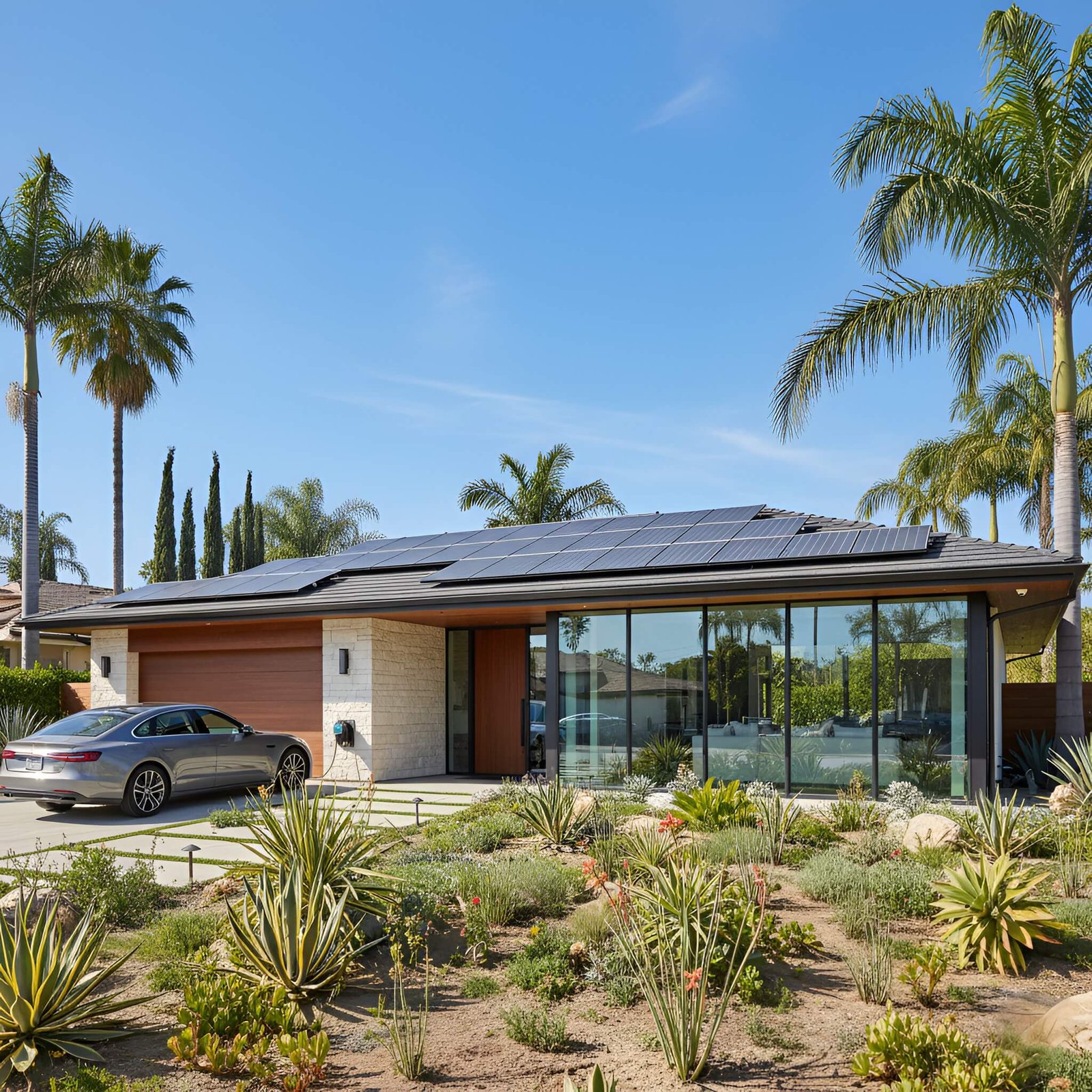

The Southern California housing market has always been dynamic, but 2026 is shaping up to be one of the most pivotal years in the last decade. After years of fluctuating interest rates, persistent inventory shortages, shifting migration patterns, and skyrocketing buyer expectations, the region is poised for yet another wave of change.
Whether you are buying or selling in Los Angeles, Orange County, San Diego, or the Inland Empire, understanding the forces driving 2026 will help you make confident, well-informed decisions. This guide breaks down everything you need to know—based on current data, economic trends, and real-time conditions affecting the Southern California market.
1. The 2026 Market Overview: What’s Driving Southern California Real Estate This Year
Southern California remains one of the most desirable—and competitive—housing markets in the country. In 2026, several economic and demographic factors are shaping the landscape.
A. Interest Rates: Finally Stabilizing, But Not Dropping Dramatically
After years of volatility, mortgage rates in 2026 have finally reached a more predictable pattern. While small decreases occurred in late 2025, rates are still higher than the pre-2022 levels many homeowners grew accustomed to.
Expect in 2026:
- Slight rate decreases compared to 2024–2025
- More stability, making budgeting easier
- No return to the ultra-low pandemic-era rates
This stabilization has boosted buyer confidence, particularly among those who paused their plans in 2024 and 2025 due to uncertainty.
B. Inventory: Still Tight, But Slowly Improving
Southern California inventory remains low. Key reasons:
- Many homeowners still hold onto 3%–4% legacy rates
- New construction is limited in built-out coastal cities
- Investors continue to hold long-term rentals
- High migration into affordable pockets like the Inland Empire
However, 2026 is showing gradual improvement as more homeowners decide to move for lifestyle reasons—not just financial ones. This aligns with people-first motivations emphasized in current consumer behavior expectations .
C. Home Prices: Slow Growth, Not a Surge
Experts predict:
- Moderate appreciation across coastal cities
- Stronger growth in suburbs offering better affordability
- Stable pricing for homes that are updated and move-ready
- Emerging negotiation opportunities in slower micro-markets
The extreme bidding wars of 2021–2022 are gone, but demand still exceeds supply in many areas—keeping prices from declining.
D. Lifestyle and Job Market Trends Continue to Influence Demand
Southern California remains a powerhouse for:
- Technology
- Entertainment
- Healthcare
- Biotech
- Logistics
Remote-flex workers continue to prioritize:
- Walkability
- Quality schools
- Larger floor plans
- Lifestyle communities
- Homes with updated, functional spaces
These lifestyle motivations remain central—echoing Google’s emphasis on user intent and helpful, experience-driven decision-making .
2. What Buyers Should Expect in 2026: Opportunities, Challenges, and Smart Strategies
Buyers in 2026 face both opportunity and competition. The days of extreme seller power are fading, but Southern California still remains a high-demand region.
A. More Inventory = Better Choices
While inventory is not abundant, buyers will benefit from:
- More listings entering the market
- Less frenzy competing for every home
- Slower, more predictable price movements
This makes 2026 an ideal entry year for prepared buyers.
B. Affordability Continues to Be the Main Challenge
Even with improving rates, affordability remains a barrier. However, buyers in 2026 have access to:
- Seller concessions
- Temporary and permanent rate buydowns
- Expanded down-payment assistance
- New construction incentives
- Off-market opportunities
Strategic financing is key.
C. Buyers Expect—and Need—Reliable Information
With misinformation and recycled content everywhere, today’s buyers want:
- Expert-backed insights
- Accurate neighborhood data
- Clear explanations of pricing trends
- Transparent communication
This aligns directly with the helpful, reliable, people-first content Google expects creators to provide . Buyers reward agents and sellers who offer genuine, trustworthy guidance.
D. Winning Strategies for Buyers in 2026
To compete effectively:
- Get fully pre-approved (not just pre-qualified).
- Be flexible on home style or location.
- Consider properties needing light updates.
- Look beyond the MLS for quiet listings.
- Move fast when the right home appears.
Buyers who come fully prepared will have an edge in the 2026 market.
3. What Sellers Need to Know in 2026: Pricing, Presentation, and Marketing
Sellers still hold meaningful advantages in many parts of Southern California—but not every home sells instantly. Buyer expectations in 2026 are at an all-time high.
A. Presentation Now Determines Your Success
Today’s buyers expect polished, professional, and transparent listings.
Top-performing homes include:
- Professional photography
- Cinematic video tours
- Drone footage
- Floor plans and 3D walkthroughs
- Accurate, descriptive, SEO-friendly listing copy
Low-quality presentation sends buyers away instantly.
B. Pricing Must Be Data-Driven and Strategic
2026 buyers have more access to pricing tools, making them more informed and less willing to overpay.
Strong pricing strategy includes:
- Reviewing hyper-local comps
- Understanding seasonal demand
- Adjusting quickly if traffic is low
- Positioning the home competitively in the first 14 days
Overpricing remains the #1 reason homes fail to sell.
C. Marketing Matters More Than Ever
Sellers need a highly visible, multi-channel marketing strategy—not just MLS placement.
Effective marketing in 2026 includes:
- Targeted social media ads
- Google search visibility
- Email marketing campaigns
- YouTube listing videos
- Instagram Reels + TikTok walk-throughs
- Agent networking
- Community-level promotion
This aligns directly with what Google rewards: high-quality, original informational content tailored to the audience’s needs .
D. Move-In-Ready Homes Outperform All Others
Updated homes continue to command:
- Faster offers
- Higher prices
- More showings
- More competitive bids
Sellers who invest in strategic pre-listing improvements often see a strong return.
4. How to Prepare for a Move in 2026: Expert Action Plans for Buyers and Sellers
Regardless of whether you are buying or selling, preparation is the key to success in 2026.
A. Financial Readiness Is Essential
Buyers should:
- Secure full loan underwriting
- Review debt, credit, and savings
- Compare loan programs
- Understand monthly affordability
Sellers should:
- Calculate net proceeds
- Line up moving timelines
- Address minor repairs early
- Consider pre-listing inspections
B. Evaluate Market Timing Based on Your Goals—Not Predictions
Trying to “time the market” rarely works. Instead, base your move on:
- Lifestyle needs
- Job changes
- Family transitions
- Space requirements
- Long-term plans
This mirrors Google’s best-practice principle of focusing on the “why” behind decisions—not speculation .
C. Choose a Realtor Who Understands Modern Marketing and Data
A top-performing 2026 Realtor should be:
- Tech-forward
- Data-smart
- Marketing-savvy
- Local-expert
- Skilled in negotiation
- Transparent and people-first
The right agent will dramatically affect your bottom line—whether buying or selling.
D. 30-, 60-, and 90-Day Preparation Plans
If you’re buying:
- 30 days: Get fully pre-approved, research areas
- 60 days: Begin touring, watch micro-market trends
- 90 days: Make strategic offers
If you’re selling:
- 30 days: Meet with Realtor, create listing strategy
- 60 days: Prep home, complete improvements
- 90 days: Launch marketing and go live
FAQ: Top 5 Questions About the 2026 Southern California Housing Market
1. Will home prices rise in Southern California in 2026?
Most experts predict steady, moderate price growth—not a surge—and not a drop.
2. Are mortgage rates expected to fall this year?
Rates may decrease slightly but will remain above pre-2022 levels.
3. Is 2026 a good time to buy?
Yes—improving inventory, stable rates, and more negotiation power make 2026 a strong year for buyers.
4. Are sellers still in control in 2026?
Sellers still hold advantages, especially for move-in-ready homes, but buyers now have more leverage than in previous years.
5. Should I wait until 2027 instead?
Waiting rarely guarantees better prices or rates. Base your move on your personal and financial goals.