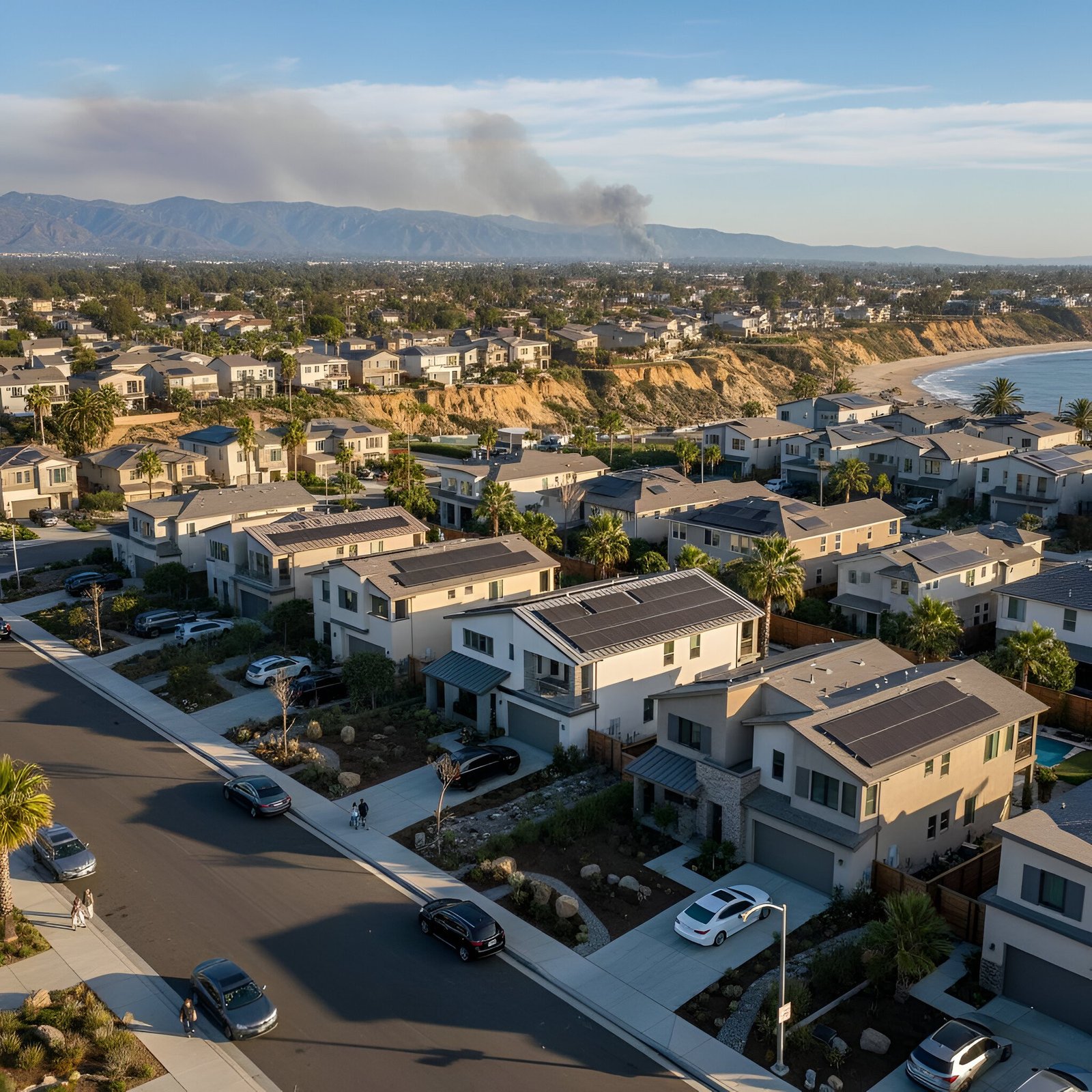

Buying your first home is exciting—but buying your first home in Southern California is an entirely different experience. With high demand, limited inventory, competitive pricing, and wildly different micro-markets from Los Angeles to San Diego, first-time buyers need to understand how the process works before they take the leap.
Making an offer isn’t just about choosing the right number. It’s about understanding the market, the seller’s expectations, the condition of the home, your financing strength, and what risks you are willing (or not willing) to take. In a region as competitive as SoCal, the more prepared you are, the stronger your offer will be.
This guide breaks down everything first-time homebuyers need to know before making an offer—so you can move confidently and avoid costly mistakes.
1. Understand the Southern California Market Before You Write an Offer
Southern California isn’t one unified market. It’s a collection of highly unique micro-markets, each with different pricing trends, competition levels, and buyer expectations.
A. Prices Vary Dramatically by County and Neighborhood
Whether you’re looking in:
- Los Angeles
- Orange County
- San Diego
- Ventura
- Riverside / Inland Empire
- San Bernardino
…each area has its own rhythm and competitive landscape. Two homes 15 minutes apart can have a $300,000 price difference.
First-time buyers should analyze:
- Median home prices in their target area
- Average days on market
- Percentage of homes selling over asking
- Price differences between turnkey vs. fixer-upper homes
- Neighborhood trends and future growth factors
B. Expect Competition—Even When the Market Slows
Southern California rarely becomes a true buyer’s market. Even in slower years, move-in-ready homes in good areas attract multiple buyers.
That means your offer needs to stand out—not just in price, but in:
- Terms
- Contingencies
- Closing timeline
- Financing strength
C. Get Familiar With “Micro-Negotiation” Zones
In some areas:
- Homes sell below list price
- Homes sell at list price
- Homes sell well above list price
Your agent should guide you with data, not assumptions.
2. Get Fully Pre-Approved (Not Just Pre-Qualified)
One of the biggest mistakes first-time buyers make is confusing pre-qualification with pre-approval.
Pre-Qualification
A quick estimate of what you might afford.
Not verified. Not competitive.
Pre-Approval
Verified by a lender and backed by documentation.
Shows sellers you’re serious and financially prepared.
Why This Matters in Southern California
In competitive markets, sellers rarely consider offers without a strong pre-approval letter. Some prefer “Desktop Underwriting Approval” or “Fully Underwritten Approval”—the strongest possible versions.
What Lenders Will Review:
- Income
- Employment
- Credit score
- Debt-to-income ratio
- Savings and down payment
- Closing costs
- Reserves
A strong pre-approval can give you a massive advantage—especially if you’re competing against cash buyers.
3. Know Your Budget Beyond the Sale Price
First-time buyers often focus solely on the purchase price. But in SoCal, the total cost of ownership is what truly matters.
Consider these monthly and upfront costs:
- Mortgage payment
- Property taxes (typically 1–1.25% of the home price)
- Homeowners insurance
- HOA dues (condos & townhomes)
- Private mortgage insurance (if putting less than 20% down)
- Utilities (often higher in older homes)
- Closing costs
- Maintenance and repairs
Pro Tip
Ask your lender for an accurate, itemized breakdown of the full monthly payment for each price range you’re considering.
4. Understand the Importance of a Strong Offer Strategy
In Southern California, writing a strong offer doesn’t always mean writing the highest number. It means writing the strongest overall package.
A. Price Isn’t Everything
Other terms matter, including:
- Earnest money deposit
- Inspection timelines
- Contingency periods
- Appraisal strategies
- Seller credits
- Closing date flexibility
Sometimes a slightly lower offer with better terms wins over a higher one.
B. Personal Letters (Sometimes) Help
Some sellers respond emotionally to buyer letters—but many prefer objective decision-making.
Your Realtor will guide you on whether a letter is appropriate for that specific seller.
C. Ask Your Agent: “What Does This Seller Want Most?”
Sometimes it’s:
- A quick close
- A longer rent-back
- Certainty
- Highest price
- Cleanest offer
Understanding the seller’s motivations gives you a competitive advantage.
5. Know Your Contingencies—and Don’t Waive Them Blindly
Contingencies exist to protect you. They are your safety net.
The main categories:
Inspection Contingency
Allows you to uncover issues with:
- Plumbing
- Electrical
- Roof
- Foundation
- Mold
- Termites
- HVAC
- Appliances
Do not waive this lightly, especially in older SoCal homes.
Appraisal Contingency
Important if you’re using a loan.
If the home appraises lower than your offer, you may need to:
- Renegotiate
- Pay the difference
- Walk away
Loan Contingency
Protects you if financing falls through.
Should First-Time Buyers Waive Contingencies?
In general: No.
Unless you fully understand the risks and the property is newer, recently remodeled, or professionally inspected before listing.
6. Review the Disclosures Carefully
California is one of the most disclosure-heavy states in the country, which protects buyers—especially first-timers.
Disclosures include:
- Known defects
- Past repairs
- Water damage
- Foundation issues
- Roof age
- Permits (or lack thereof)
- Neighborhood noise
- Crime in the area
- HOA rules
- Special assessments
Red Flags to Watch For:
- Unpermitted additions
- Recurring water issues
- Evidence of structural settling
- Old wiring
- Old plumbing
- Incomplete remodels
- Seller refusing inspection access
A good Realtor will help you interpret disclosures clearly.
7. Understand the Home’s True Market Value
Southern California homes often:
- List low to encourage bidding
- List at market value
- List high to “test the market”
You need to know what the home is actually worth based on:
- Recent nearby sales (comps)
- Condition
- Upgrades
- Lot size
- Schools
- Local demand
- Property type
Pro Tip
Don’t fall in love with the list price.
Fall in love with the true value.
8. Don’t Skip Inspections—They Can Save You Thousands
Even newer homes can have hidden problems.
Common issues in Southern California:
- Roof damage from heat or age
- Foundation cracks
- Plumbing issues (especially older cast-iron systems)
- Pest and termite damage
- HVAC systems at end of life
- Water heater replacements
- Electrical panel upgrades
Inspection reports give you leverage to:
- Renegotiate
- Request repairs
- Ask for credits
- Cancel the sale if needed
9. Be Prepared Emotionally for the Process
Buying in Southern California often means:
- Losing offers before winning one
- Competing with cash buyers
- Acting quickly
- Making compromises
- Balancing emotions with strategy
First-time buyers who stay patient and flexible succeed fastest.
10. Work With a Realtor Who Understands SoCal’s Market—and First-Time Buyers
Not all agents are equal.
You need someone who is:
- Local
- Experienced
- Marketing-savvy
- Data-driven
- A skilled negotiator
- Patient with first-time buyers
This aligns with Google’s recommendations for clear expertise and trustworthiness—people want information (and guidance) from professionals who demonstrate real experience and clarity .
Your Realtor should explain:
- Market data
- Offer strategies
- Contracts
- Contingencies
- Inspection reports
- Negotiation options
…and should communicate clearly, consistently, and honestly.
FAQ: First-Time Homebuyer Questions in Southern California
1. How much should I offer on a home in Southern California?
Base your offer on local comps, demand, condition, and your budget—not just the list price.
2. How competitive is the SoCal market for first-time buyers?
Very—especially for updated homes in desirable areas. However, strong preparation gives you an advantage.
3. How much should I save for a down payment?
Most first-time buyers put between 3% and 10% down in Southern California.
4. Should I waive contingencies to compete?
Not unless you fully understand the risks. First-time buyers should be cautious.
5. Are fixer-uppers worth considering?
Yes—especially in high-demand areas where updated homes are extremely competitive.