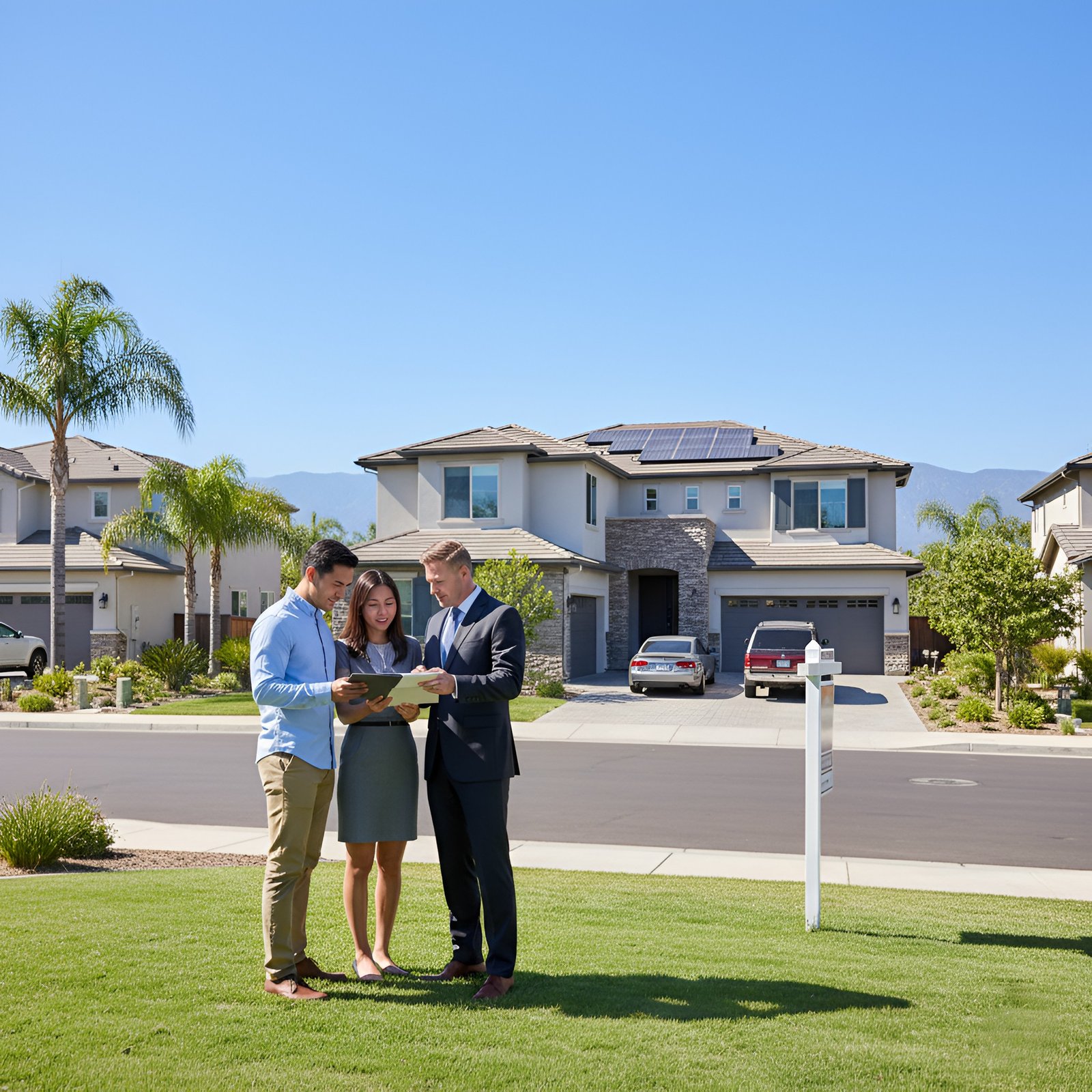
Southern California has long been admired for its sunny weather, scenic coastline, and vibrant communities. However, beneath the appeal of palm trees and ocean views lies a growing challenge for homeowners and buyers: the impact of climate change and natural disasters. Wildfires, droughts, rising temperatures, earthquakes, and other environmental factors are increasingly influencing housing decisions across the region.
Understanding these trends is essential for anyone looking to invest in, buy, or sell a home in Southern California. This guide explores how climate and natural hazards are reshaping real estate choices, affecting property values, and redefining what it means to live safely in one of the most desirable areas of the United States.
Wildfires and Their Effect on Housing Decisions
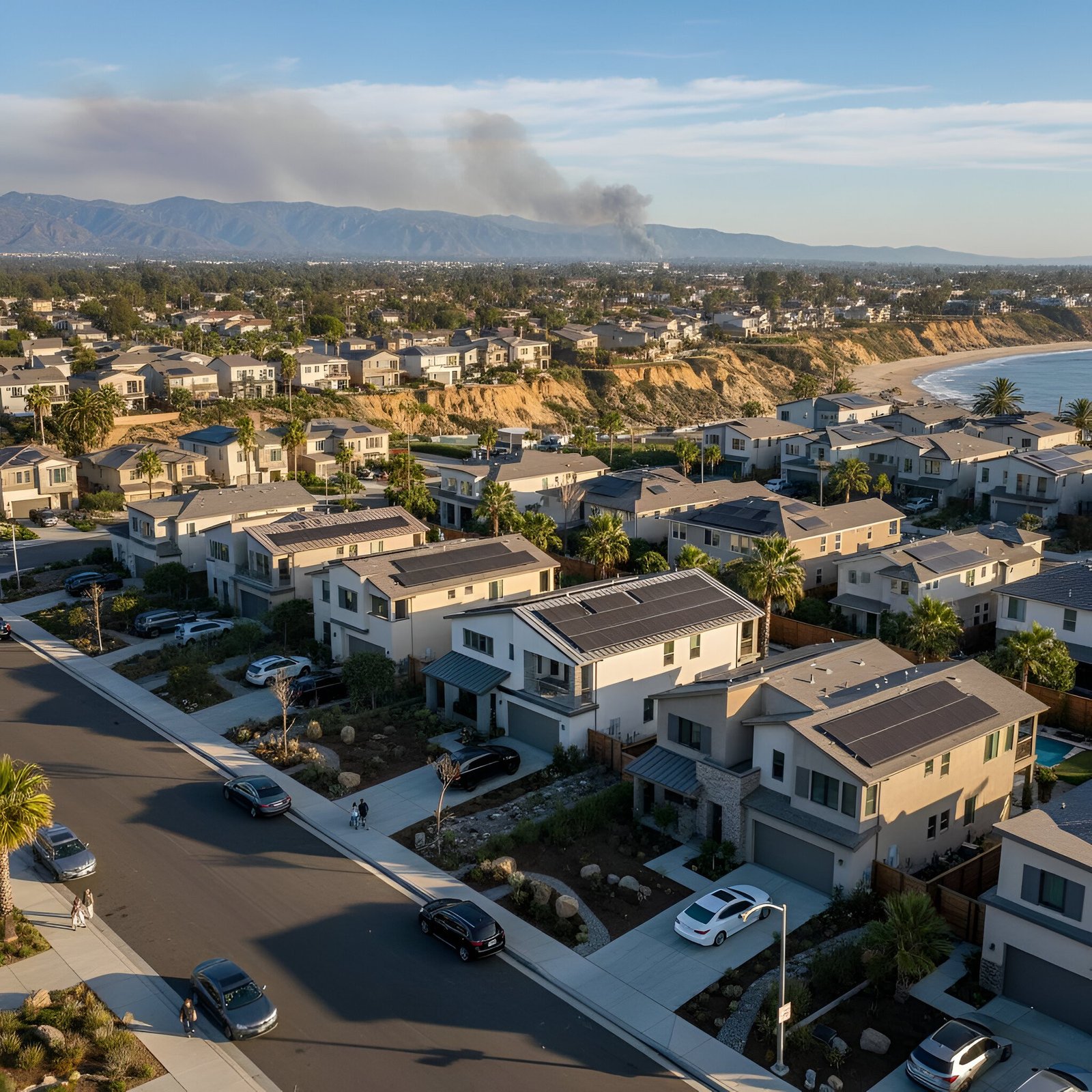
Wildfires are among the most visible and destructive natural threats in Southern California. Severe fire seasons have destroyed homes, displaced communities, and affected property values.
Homebuyer Concerns and Property Values
Buyers are increasingly cautious about purchasing homes in high-risk fire zones. Even with insurance coverage, properties in fire-prone areas often face higher premiums, stricter building regulations, and reduced resale value. Studies show that homes in wildfire-prone zones can lose 10–20% of their market value compared to similar properties outside these areas.
Fire-Resistant Construction
Homeowners and builders are responding by using fire-resistant materials, creating defensible landscaping, and installing sprinkler systems. These measures enhance safety and serve as attractive selling points for risk-conscious buyers.
Drought and Water Scarcity Influencing Housing Choices
Southern California frequently faces droughts, which impact both the cost of living and the types of homes buyers prioritize.
Water-Efficient Homes and Landscaping
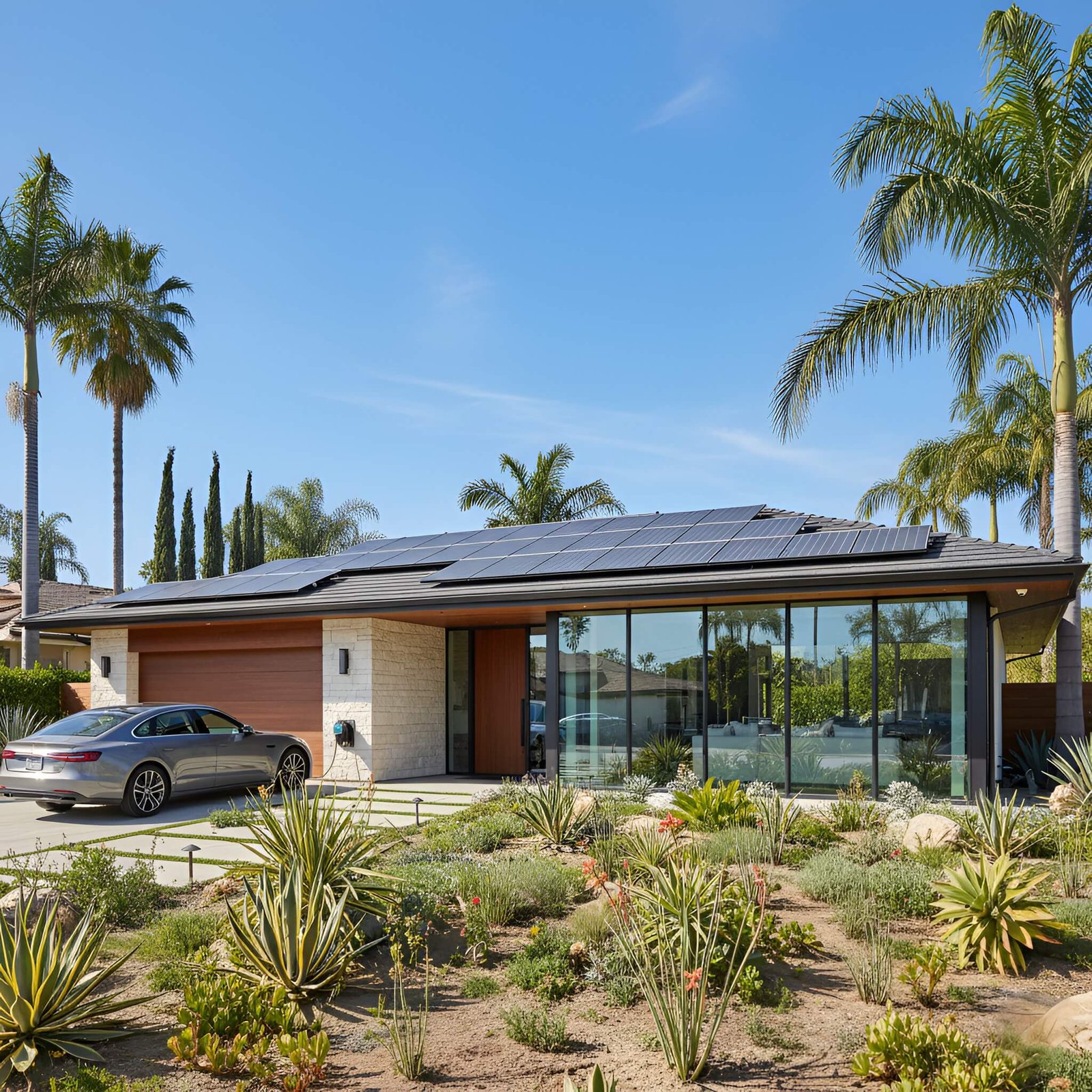
Drought has made water-efficient features highly desirable. Homebuyers increasingly seek properties with xeriscaping, native plants, and low-water irrigation systems. Communities that provide incentives for sustainable upgrades are also gaining popularity.
Long-Term Financial Considerations
Water scarcity can affect property values indirectly through higher municipal water rates, increased insurance costs, and overall livability. Buyers are now factoring in the sustainability of the local environment when making real estate decisions.
Earthquake Risk and Seismic-Safe Housing
Southern California’s location along the San Andreas Fault and numerous smaller fault lines makes earthquakes an ongoing concern.
Building Codes and Retrofitting
Modern construction must comply with strict seismic codes, but many older homes require retrofitting to withstand potential earthquakes. Buyers often consider these costs when evaluating neighborhoods and properties.
Insurance Considerations
Although optional, earthquake insurance is highly recommended for homes in high-risk areas. The cost and availability of coverage can significantly influence the desirability of certain properties.
Climate Change and Long-Term Housing Trends
Beyond immediate disasters, long-term climate changes are shaping the Southern California real estate market.
Rising Temperatures and Coastal Risks
Higher temperatures are driving demand for energy-efficient homes with effective insulation and air conditioning. Coastal erosion and rising sea levels are also affecting property values along vulnerable shorelines, prompting some buyers to consider inland or elevated properties.
Migration Patterns and Urban Planning
Climate concerns are influencing where people choose to live. Areas with lower wildfire, drought, and flood risks are seeing higher demand, while high-risk zones experience slower growth. Local governments are responding with updated urban planning, zoning laws, and disaster preparedness programs.
Practical Tips for Homebuyers in Southern California
Buying a home in a region affected by climate change and natural disasters requires careful research and planning:
- Research hazard zones: Review maps for wildfire, flood, and earthquake risks.
- Evaluate insurance options: Understand costs and coverage for fire, earthquake, and flood insurance.
- Inspect building integrity: Look for homes built or retrofitted to withstand local environmental hazards.
- Consider sustainable upgrades: Energy-efficient homes with water-saving features are increasingly valuable.
- Stay informed: Keep track of local regulations, fire prevention programs, and climate forecasts to make long-term investments wisely.
Conclusion: Making Informed Housing Decisions in Southern California
Climate change and natural disasters are now central considerations in Southern California real estate. Wildfires, drought, earthquakes, and rising temperatures shape buyer priorities, property values, and investment strategies.
By staying informed, choosing resilient properties, and prioritizing sustainability, buyers can make safer, smarter, and financially sound decisions. Southern California remains a desirable place to live, but understanding environmental risks is key to enjoying it securely.
FAQs About Climate and Housing in Southern California
- How do wildfires affect home prices in Southern California?
Wildfires can reduce property values by 10–20% in high-risk areas and increase insurance costs. Homes with fire-resistant features typically retain more value. - Is earthquake insurance necessary in Southern California?
While optional, earthquake insurance is highly recommended in high-risk areas to protect against significant financial loss. - What water-saving features should I look for in a home?
Look for drought-tolerant landscaping, native plants, low-water irrigation systems, and energy-efficient appliances. - How does climate change impact coastal properties?
Rising sea levels and coastal erosion threaten shoreline properties. Buyers should consider elevation, proximity to the shore, and potential flood risk. - Which areas of Southern California are safer from natural disasters?
Inland locations with lower wildfire risk, higher elevation, and compliance with modern building codes tend to be safer. Hazard maps and local resources are essential guides.
Start Your Smart and Safe Southern California Home Search Today
Navigating Southern California’s housing market with confidence requires guidance and knowledge. Our experienced real estate team can help you assess risk zones, identify resilient properties, and make sustainable, long-term investment decisions. Contact us today to find your safe, beautiful, and smart Southern California home.